Uses and Health Advantages of Cinnamon Leaves

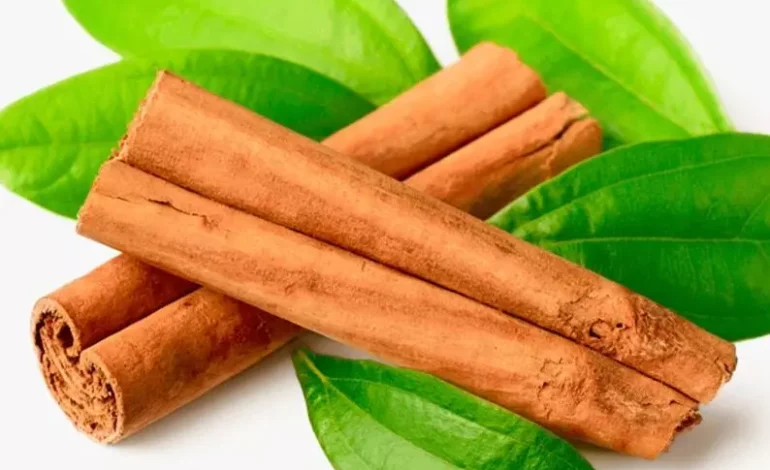
Cinnamon leaves have long held an important place in traditional medicine and culinary practices across various cultures. While cinnamon bark often receives more attention, the leaves offer their own distinct properties and health-supporting compounds. Known for their subtle aroma and therapeutic potential, these leaves serve multiple purposes related to wellness and daily health maintenance.
This article focuses exclusively on the uses and health advantages, presenting factual, research-based information in a clear and practical manner.
1:What Are Cinnamon Leaves?
Cinnamon leaves come from the cinnamon tree and contain essential oils that differ slightly from those found in the bark. Their chemical composition includes natural compounds that contribute to antimicrobial, antioxidant, and soothing effects. Traditionally, people have valued the leaves for their mild flavor and functional health applications rather than sweetness.
2:Health Advantages of Cinnamon Leaves
Supports Digestive Health
One of the key health advantages lies in digestive support. Compounds present in the leaves help stimulate digestive enzymes, which can improve food breakdown and nutrient absorption. This property makes them useful for reducing bloating, mild cramps, and digestive discomfort.
Natural Antioxidant Properties
Antioxidants play an essential role in protecting the body from oxidative stress. The leaves contain bioactive compounds that help neutralize free radicals. This activity supports cellular health and may reduce the long-term impact of environmental stressors on the body.
Cinnamon Leaves Benefits
The leaves contribute to overall wellness by supporting metabolic balance and internal cleansing processes. Their natural compounds assist the body in managing inflammation, which plays a role in many chronic health concerns. These benefits develop gradually with consistent, moderate use.
Helps Maintain Oral Health
The essential oils found in the leaves exhibit antibacterial properties. These properties can help control odor causing bacteria in the mouth and support gum health. For this reason, the leaves are sometimes used in natural oral care preparations.
Supports Respiratory Comfort
Traditional practices have used the leaves to help relieve mild respiratory discomfort. Their warming properties may help loosen congestion and promote easier breathing during seasonal changes.
May Assist Blood Circulation
Certain compounds in the leaves help support healthy blood flow. Improved circulation assists oxygen delivery to tissues, which can enhance overall physical function and energy levels.
3:Common Uses of Cinnamon Leaves
Culinary Applications
The leaves add mild aroma to soups, stews, and rice dishes. Unlike the bark, their flavor remains subtle, making them suitable for savory recipes without overpowering other ingredients.
Herbal Preparations
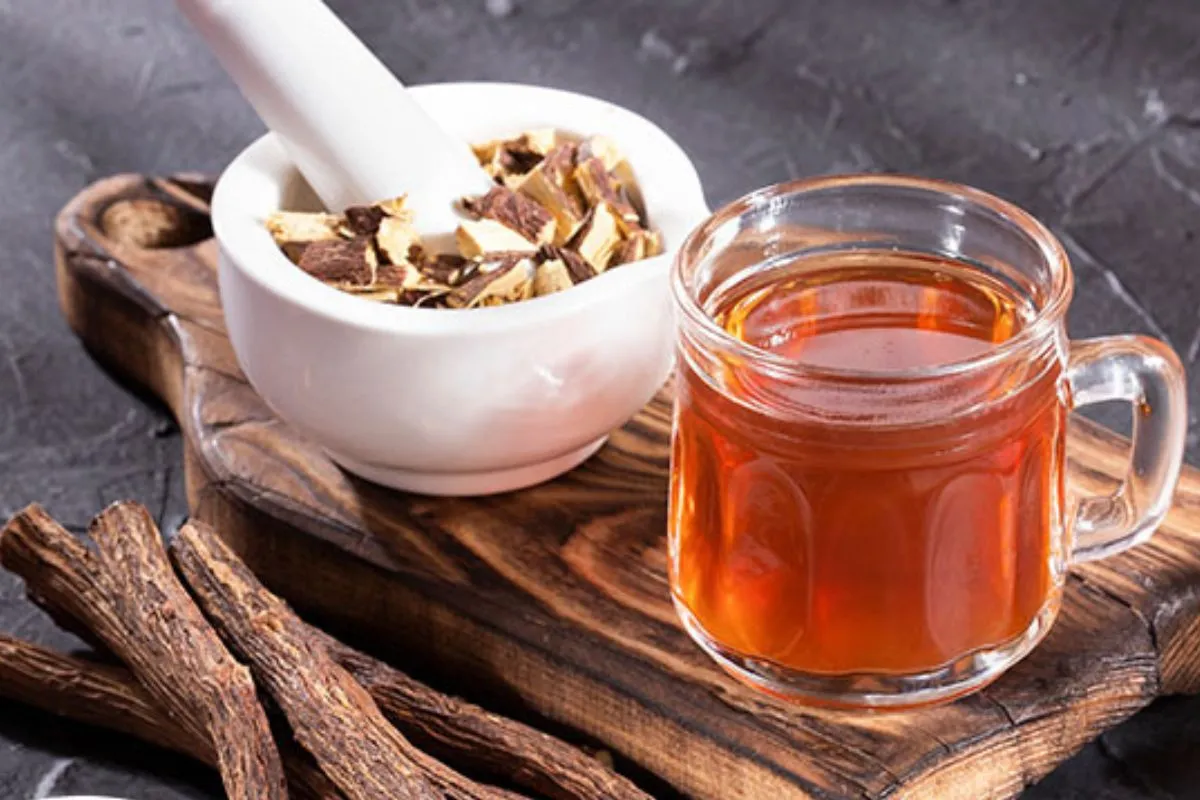
Many cultures use the leaves in herbal infusions. These preparations aim to support digestion, warmth, and internal balance when consumed occasionally.
How to Use Cinnamon Leaves
The most common method involves boiling the leaves in water to extract beneficial compounds. They may also be dried and stored for later use in cooking or herbal applications.
Aromatic and Household Uses
Due to their pleasant scent the leaves are sometimes used in natural air fresheners and herbal sachets. Their antimicrobial nature also supports a cleaner indoor environment.
Cinnamon Leaf vs Bay Leaf
Although both leaves are used in cooking, they differ in aroma, chemical composition, and health properties. Cinnamon leaves provide warming and antimicrobial effects, while bay leaves mainly support digestion and flavor enhancement. Their nutritional profiles and traditional uses remain distinct, making them non-interchangeable in therapeutic contexts.
Safety and Responsible Use
Moderation plays a vital role when using herbal ingredients. Excessive intake may cause irritation or sensitivity in some individuals. People with underlying medical conditions or those taking medication should consult a healthcare professional before regular use.
4:Scientific Perspective on Health Advantages
Modern research supports many traditional claims by identifying antioxidant and antimicrobial compounds in the leaves. These findings align with their historical use for digestive support and microbial balance. However, scientific studies emphasize complementary use rather than replacement of medical treatment.
5:How Cinnamon Leaves Contribute to Long Term Health
Regular but moderate inclusion may contribute to general wellness by supporting digestion, immunity, and metabolic balance. Benefits tend to appear gradually and depend on lifestyle, diet, and consistency.
Wrap up
Cinnamon leaves offer multiple health advantages, including digestive support, antioxidant protection, respiratory comfort, and antimicrobial benefits. Their uses range from culinary applications to herbal preparations and aromatic purposes. When used responsibly and in moderation, they serve as a valuable natural ingredient that supports overall wellness without overwhelming the body.
Most Asked Questions About Cinnamon Leaves
1. Are leaves safe for regular use?
Yes. When used in moderation, they are generally safe for most individuals.
2. Can these leaves support digestion naturally?
They help stimulate digestive processes and may reduce mild digestive discomfort.
3. Are cinnamon stronger than cinnamon bark?
No. their properties differ. Leaves provide milder effects compared to bark.
4. Can they be used daily in cooking?
Occasional culinary use is suitable, but daily medicinal use should remain moderate.
5. Do cinnamon have antioxidant properties?
Yes. They contain natural compounds that help protect cells from oxidative stress.