Medical Insight Corner Why You Feel Hurt to Swallow


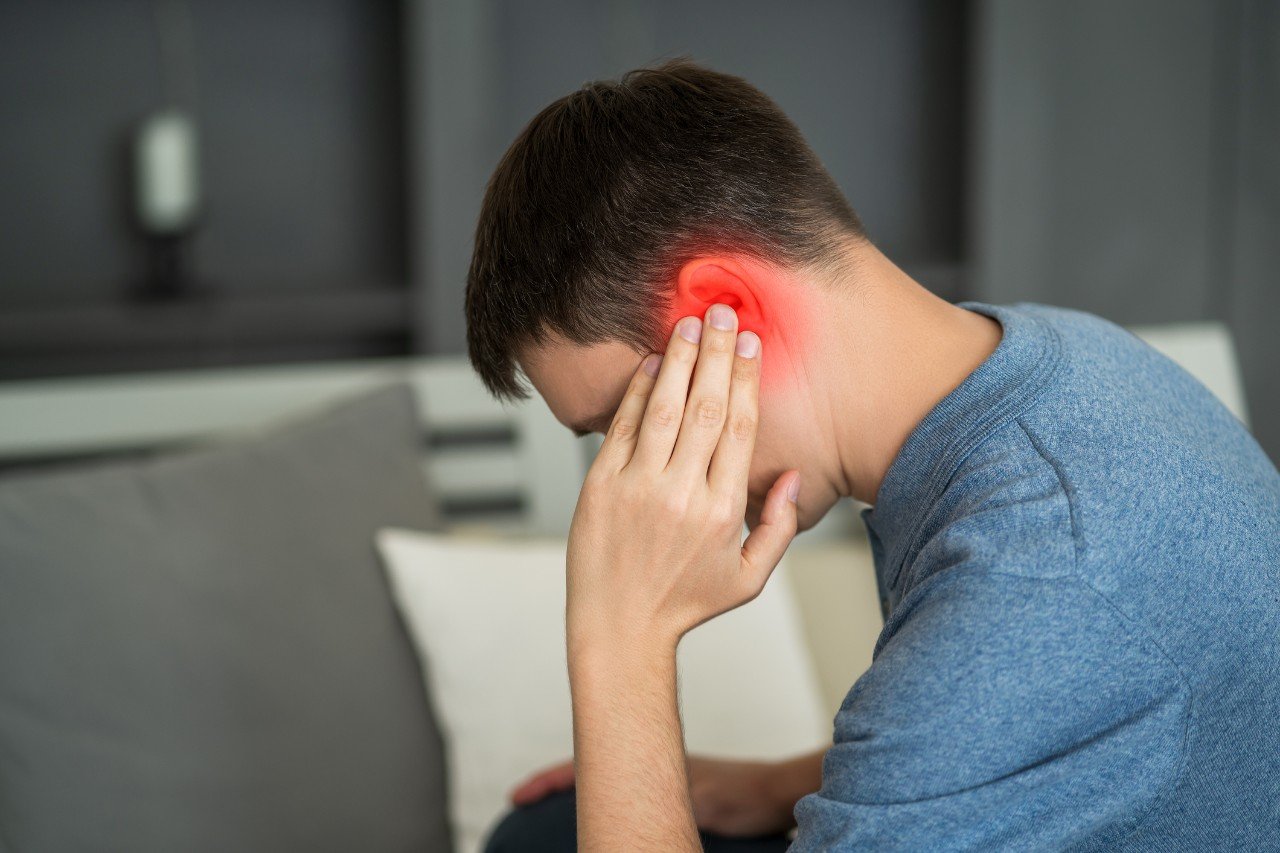
Pain while swallowing is a common problem that many people experience at different times in life. It can range from mild discomfort to severe pain that makes eating, drinking, or even talking difficult. This condition, often described as hurt to swallow, often signals irritation or inflammation in the throat, but sometimes it may indicate a more serious underlying issue.
In this blog we will tell the causes, symptoms, diagnosis, treatment, and prevention of swallowing pain in a clear and informative way.
1:Painful Swallowing
Painful swallowing occurs when the throat, tonsils, or esophagus becomes irritated or inflamed. This discomfort may happen only when swallowing food or liquids, or it may persist even at rest.
Many people describe this condition as hurt to swallow, especially when the pain is sharp or burning. It can affect daily life and reduce appetite if it becomes severe.
The severity depends on the underlying cause, which may be simple infections or more complex medical conditions.
2:Top Causes of Swallowing Discomfort
Several factors can lead to discomfort while swallowing. Below are the most common causes explained in detail.
1. Viral Infections
Viruses such as the common cold or flu often cause throat inflammation. This leads to redness, swelling, and pain while swallowing.
2. Bacterial Infections
Strep throat is a bacterial infection that causes severe throat pain, fever, and difficulty swallowing. It requires medical treatment with antibiotics.
3. Tonsillitis
Inflamed tonsils can make swallowing painful. In some cases, swelling becomes so severe that it blocks part of the throat.
4. Acid Reflux (GERD)
Stomach acid flowing back into the throat irritates the lining and causes a burning sensation.
5. Dry Throat
Dry air, dehydration, or mouth breathing can irritate throat tissues and cause discomfort.
6. Injuries or Irritation
Sharp foods, hot drinks, or accidental scratches can damage the throat lining and cause temporary pain.
7. Allergies and Postnasal Drip
Mucus dripping down the throat can lead to irritation and inflammation.
3:Symptoms You May Notice With Swallowing Pain
Pain while swallowing rarely appears alone. It is often accompanied by other symptoms such as:
- Sore throat
- Fever
- Swollen glands in the neck
- Hoarseness
- Red or swollen tonsils
- Cough or nasal congestion
- Difficulty eating or drinking
Key point to know:When these symptoms appear together, they help doctors identify the underlying cause more accurately.
4:Why Does Swallowing Feel Painful?
People often describe the condition as hurt to swallow because the pain becomes noticeable during every swallowing action. This happens due to inflamed nerves and sensitive throat tissues reacting to movement.
The pain may feel:
- Sharp or stabbing
- Burning or irritated
- Tight or swollen sensation
The feeling usually worsens when swallowing solid food compared to liquids.
5:How to Identify the Cause of Swallowing Pain
Doctors use several methods to diagnose the cause of throat pain:
1. Physical Examination
A doctor checks the throat, tonsils, and neck for swelling or redness.
2. Throat Swab Test
This test identifies bacterial infections like strep throat.
3. Blood Tests
Blood tests help detect infections or immune responses.
4. Imaging Tests
In rare or severe cases, scans may be used to examine deeper throat structures.
Accurate diagnosis ensures proper treatment and faster recovery.
6:Treatment Options For Painful Swallowing
Treatment depends on the cause of the condition. Below are the most common approaches:
1. Pain Relief Medicines
Over-the-counter medicines such as ibuprofen or acetaminophen reduce pain and inflammation.
2. Antibiotics
Doctors prescribe antibiotics only if a bacterial infection is present.
3. Antiviral Care
Viral infections usually heal on their own with rest and fluids.
4. Acid Reflux Treatment
Antacids or lifestyle changes help control stomach acid and reduce throat irritation.
5. Throat Lozenges and Sprays
These provide temporary relief by soothing the throat.
7:Easy Home Remedies to Reduce Pain
Mild cases of swallowing pain can be managed at home using simple remedies:
- Drink warm fluids like tea or soup
- Gargle with salt water
- Use honey for throat soothing
- Avoid spicy or acidic foods
- Stay hydrated
- Rest your voice
These remedies help reduce inflammation and speed up recovery.
8:When Swallowing Pain Becomes Serious
In most cases, swallowing pain improves within a few days. However, you should seek medical attention if:
- Pain lasts more than one week
- You experience high fever
- Swallowing becomes extremely difficult
- You notice swelling in the neck
- Symptoms keep getting worse
Ignoring severe symptoms can lead to complications.
9:Health Risks and Possible Complications
If left untreated, throat infections or irritation may lead to:
- Abscess formation in tonsils
- Spread of infection
- Chronic throat inflammation
- Difficulty eating and speaking
Early treatment prevents these complications and ensures faster healing.
10:How to Prevent Swallowing Pain
You can reduce the risk of throat pain by following these simple habits:
- Wash hands regularly
- Avoid sharing utensils
- Stay hydrated
- Maintain good oral hygiene
- Avoid smoking and pollution
- Treat acid reflux early
Healthy habits play an important role in preventing throat issues.
11:Impact on Everyday Activities
Severe throat pain can affect eating, sleeping, and speaking. People often feel tired and lose appetite when swallowing becomes painful. In such cases, early treatment is essential to restore normal life.
Even mild cases should be monitored to prevent worsening of symptoms.
12:Expected Recovery and Results
Most people recover from swallowing pain within a few days to a week, depending on the cause. Viral infections improve quickly, while bacterial infections respond well to antibiotics.
With proper care, hydration, and rest, recovery is usually smooth and complete.
Bottom Line
Pain while swallowing is a common condition that can result from infections, acid reflux, dryness, or throat injuries. Many people describe it as hurt to swallow, especially when the discomfort becomes sharp or persistent. While most cases are mild and temporary, some may require medical attention.
Understanding the causes and taking timely treatment helps prevent complications and ensures faster recovery. Simple home care and healthy habits also play an important role in maintaining throat health.
For more information also read this:https://daylifehealth.com/sore-throat-on-one-side-and-effective-treatments-in-2026/
Important FAQs
Q1: What causes pain when swallowing?
It is commonly caused by infections, tonsillitis, acid reflux or throat irritation.
Q2: Is swallowing pain serious?
Most cases are mild but persistent pain should be checked by a doctor.
Q3: How can I relieve swallowing pain at home?
Drink warm fluids and use saltwater gargles and stay hydrated.
Q4: When should I see a doctor?
If pain lasts more than a week or worsens and seek medical help.
Q5: Can infections cause swallowing pain?
Yes. viral and bacterial infections are the most common causes.