Is a Mushroom a Vegetable

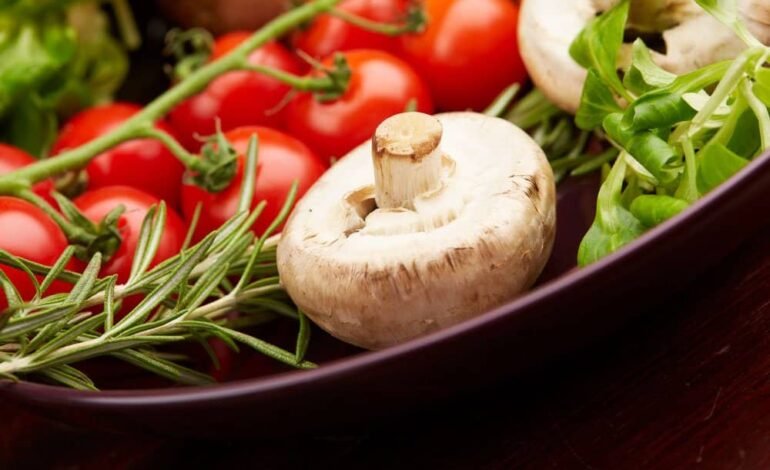
Mushrooms are a common ingredient in kitchens worldwide, yet many people are confused about their classification. Are they vegetables, fruits, or something else entirely? While they are commonly grouped with vegetables in culinary use, scientifically, mushrooms belong to the fungi kingdom.is a mushroom a vegetable Understanding the nature of mushrooms can help us appreciate their unique nutritional profile, health benefits, and culinary versatility.
1:The Biological Classification of Mushrooms
Unlike vegetables, which come from plants, mushrooms do not have roots, stems, or leaves in the traditional sense. They lack chlorophyll, the green pigment responsible for photosynthesis. Instead, mushrooms obtain nutrients through decomposing organic matter. They are classified as fungi, a separate kingdom of life distinct from plants, animals, and bacteria.
Fungi reproduce via spores rather than seeds. Mushrooms are the fruiting bodies of certain fungi, which emerge from a hidden mycelium network underground. This network plays a critical role in nutrient cycling in ecosystems, breaking down organic matter and supporting plant growth.
2:Culinary Classification vs. Scientific Classification
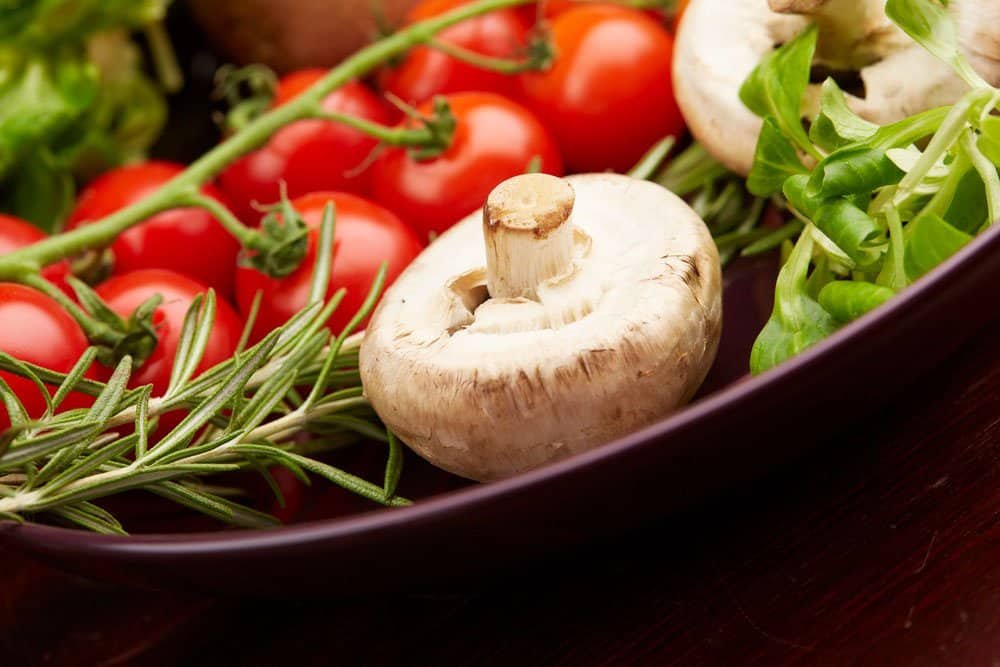
Although mushrooms are scientifically fungi, in cooking, they are often treated as vegetables. Their texture, taste, and savory flavor make them suitable for salads, soups, stir-fries, and other vegetable-based dishes. Chefs include them in vegetarian meals, pairing them with leafy greens, root vegetables, and legumes.
This culinary classification sometimes leads to confusion. People may refer to mushrooms as vegetables in recipes and grocery stores, but their biology tells a different story. They occupy a unique position: biologically fungi, but functionally a vegetable in meals.
3:Key Vitamins and Minerals Found in Mushrooms
Mushrooms are low in calories but rich in nutrients, making them an excellent dietary choice. They are packed with vitamins, minerals, and antioxidants. Key nutrients include:
- Vitamin D – Mushrooms are one of the few plant-based sources of vitamin D, especially when exposed to sunlight.
- B Vitamins – They contain riboflavin, niacin, and pantothenic acid, which support energy metabolism and nervous system health.
- Minerals – Mushrooms provide selenium, potassium, and copper, essential for cellular function and overall health.
- Antioxidants – Compounds like ergothioneine and glutathione protect cells from oxidative damage.
Important Things to Know: Unlike typical vegetables, mushrooms contain protein and certain bioactive compounds that are rare in plant-based foods. Their combination of fiber, vitamins, minerals, and antioxidants makes them nutritionally dense and beneficial for human health.
4:Health Benefits of Mushrooms
Supporting Immune Function
Mushrooms contain beta-glucans, which enhance the immune system by activating white blood cells. This helps the body fight infections and maintain overall health. Regular consumption supports resistance to common illnesses and contributes to long-term immunity.
Promoting Heart Health
The potassium and fiber content in mushrooms help regulate blood pressure and cholesterol levels. Ergothioneine, an antioxidant present in mushrooms, reduces oxidative stress, lowering the risk of cardiovascular diseases.
Anti-Aging and Skin Benefits
Certain compounds in mushrooms support skin health by reducing inflammation and neutralizing free radicals. Mushrooms are known to improve skin elasticity, hydration, and overall appearance, making them a natural anti-aging food.
Supporting Bone and Hair Health
Mushrooms provide essential nutrients like vitamin D and selenium, which support bone density and hair health. Including mushrooms in a diet ensures that these nutrients are available to maintain strong bones and hair follicles.
5:Different Types of Mushrooms For Cooking
Not all mushrooms are created equal. Some common edible varieties include:
- White Button Mushrooms – Mild flavor, commonly used in salads and stir-fries.
- Portobello – Large, meaty mushrooms ideal for grilling.
- Shiitake – Rich flavor, often used in Asian cuisines and soups.
- Oyster Mushrooms – Soft texture, suitable for sautéing and roasting.
- Maitake – Known for medicinal properties and earthy taste.
Key point to know:Each variety has unique nutrients and culinary applications. They can be cooked, grilled, roasted, or consumed in soups, offering versatile options for both taste and health.
6:Mushrooms For Enhanced Wellness
Mushrooms are considered functional foods because they provide benefits beyond basic nutrition. Compounds like beta-glucans, polysaccharides, and antioxidants have been linked to improved immunity, reduced inflammation, and cancer-preventive properties.
Including mushrooms in a daily diet is a simple way to support overall health. They can be combined with vegetables, grains, and proteins to create balanced meals. Their unique nutrients make them an essential component of functional nutrition.
7:Why Mycelium Matters For Nutrition and Ecology
The edible mushroom we see above ground is only part of the organism. The mycelium, a network of fine filaments below the soil, absorbs nutrients and supports growth. Mycelium has its own health benefits and is being studied for potential medicinal uses.
Research shows that compounds derived from mycelium may have antimicrobial, antiviral, and immunomodulatory effects. This highlights that mushrooms are more than just a vegetable substitute—they are a unique source of bioactive compounds.
8:Culinary Uses of Mushrooms
Mushrooms’ versatility makes them popular in vegetarian and non-vegetarian cuisines alike. They can replace meat in certain dishes due to their texture and umami flavor. Common culinary applications include:
- Salads and sandwiches
- Soups and stews
- Stir-fries and sautés
- Grilled or roasted as a main ingredient
- Mushroom sauces for pasta and rice dishes
Important Things to Know:They are often paired with leafy vegetables, legumes, and grains, making them a staple in balanced diets.
9:Mushrooms and Vegetarian Diets
For vegetarians and vegans, mushrooms are valuable for their protein content and umami flavor. While they are not vegetables biologically, they often fill the role of vegetables in meals. Mushrooms provide both texture and nutrients that might otherwise come from animal products.
10:Medicinal Mushrooms
Beyond culinary use, some mushrooms have medicinal properties. Reishi, shiitake, and maitake mushrooms are studied for their ability to boost immunity, reduce inflammation, and support heart health. These mushrooms are often consumed as teas, powders, or supplements to promote overall wellness.
11:Clearing Up Mushroom Confusion
Many people assume mushrooms are vegetables simply because they appear with vegetables in meals. Others confuse them with herbs or fungi used for other purposes. Understanding the distinction helps clarify their unique nutritional and biological properties.
12:Mushrooms as a Sustainable Food Source
Mushrooms are environmentally friendly crops. They require less water than many vegetables and grow in minimal space. Mushroom cultivation also contributes to composting and recycling organic matter, supporting sustainable agriculture.
13:Safety and Consumption Tips
While edible mushrooms are safe, some wild mushrooms are toxic. Always buy mushrooms from trusted sources and avoid foraging without proper knowledge. Cooking mushrooms enhances digestibility and nutrient absorption.
Bottom Line
Scientifically, mushrooms belong to the fungi kingdom, not the plant kingdom. However, their culinary role as vegetables and their nutritional benefits make them a staple in many diets worldwide. Rich in vitamins, minerals, antioxidants, and bioactive compounds, mushrooms support skin health, hair growth, immunity, and overall wellness.
By understanding mushrooms’ unique classification, people can better appreciate their value as both a nutritious food and a functional ingredient for health. Whether cooked, raw, or used in supplements, mushrooms offer unparalleled benefits beyond the typical vegetable.
For more information also read this: https://westrnhealth.com/beauty-tips/white-mushroom-benefits-for-skin-and-hair
Final Thought
Mushrooms are technically fungi, not vegetables, but they function as vegetables in cooking. Their nutrients support skin, hair, immunity, and overall health. Including mushrooms in your diet provides antioxidants, vitamins, minerals, and bioactive compounds that promote well-being. Regular consumption contributes to glowing skin, strong hair, and a healthier lifestyle. Their culinary versatility, nutritional value, and functional benefits make mushrooms an essential part of modern diets.