How to Improve Gut Health Naturally For Better Digestion

A healthy digestive system plays a key role in overall well-being. Many people experience issues like bloating, gas or discomfort after eating, often without understanding the root cause. The condition of your digestive system affects how your body absorbs nutrients, processes food, and maintains energy levels. Improving your digestion naturally can lead to better physical comfort, increased energy, and a stronger immune system.
In this blog, you will learn simple, natural, and effective ways to improve digestion and maintain a balanced internal system.
1:What Is Gut Health?
The term gut health refers to the balance and function of microorganisms living in your digestive tract. These microorganisms, often called “good bacteria,” help break down food, absorb nutrients, and protect your body from harmful substances.
A balanced digestive system supports proper digestion and prevents common issues such as constipation, bloating, and irregular bowel movements. When this balance is disturbed, it can affect your entire body, including your mood, energy, and immune system.
2:How to Identify Digestive Health Problems Early
Many people ignore early signs of digestive imbalance. Recognizing these symptoms can help you take action early.
Common signs include:
- Frequent bloating or gas
- Constipation or diarrhea
- Stomach discomfort after meals
- Low energy levels
- Food intolerances
- Skin issues like acne
These symptoms often indicate that your digestive system is not functioning properly.
3:Natural Ways to Improve Digestive Balance
Improving digestion does not always require medication. Simple lifestyle changes can make a big difference.
1. Eat More Fiber-Rich Foods
Fiber supports smooth digestion and helps maintain regular bowel movements. It also feeds beneficial bacteria in your system.
Examples:
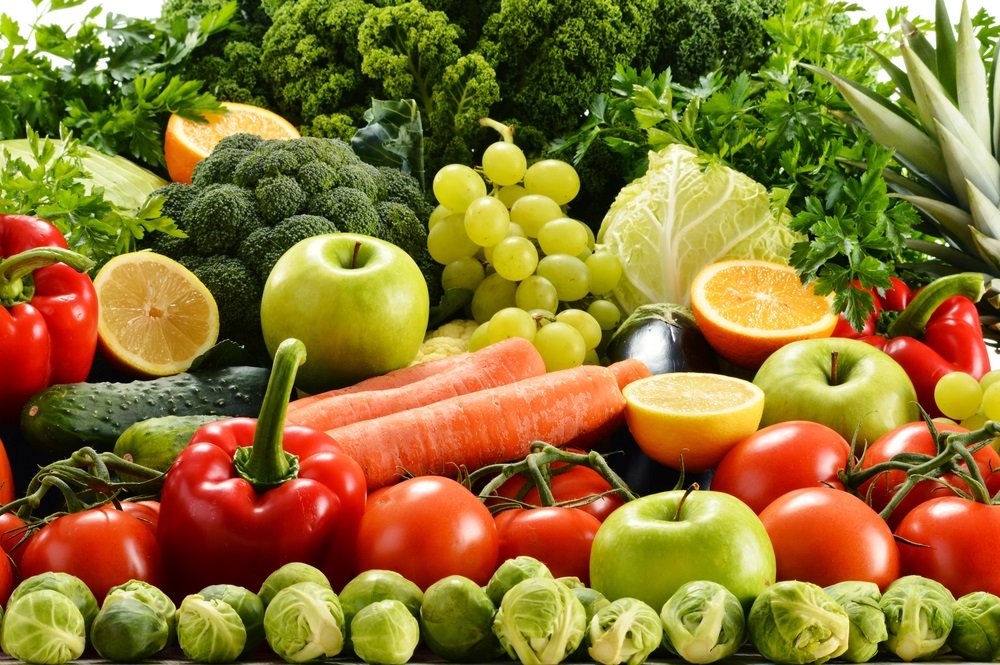
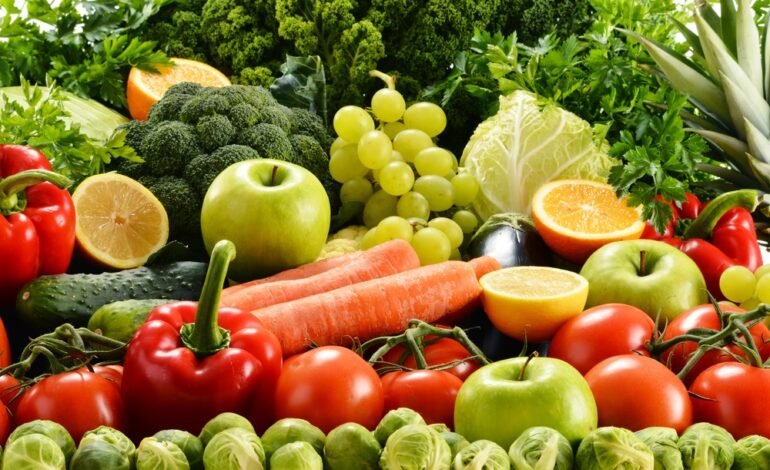
- Fruits like apples and bananas
- Vegetables like broccoli and carrots
- Whole grains like oats and brown rice
2. Stay Hydrated
Water plays a vital role in digestion. It helps break down food and supports nutrient absorption.
Tips:
- Drink 7–8 glasses of water daily
- Start your day with warm water
- Avoid excessive sugary drinks
Proper hydration supports overall gut health and prevents constipation.
3. Include Probiotic Foods
Probiotics are beneficial bacteria that improve digestion and balance internal flora.
Natural sources:
- Yogurt
- Kefir
- Fermented foods like kimchi and sauerkraut
Adding these foods to your diet can strengthen your digestive system naturally.
4. Eat Slowly and Mindfully
Many digestive issues occur because people eat too fast. Eating slowly allows your body to process food properly.
Practice:
- Chew food thoroughly
- Avoid distractions while eating
- Focus on portion control
Mindful eating improves digestion and reduces discomfort.
4:Best Foods For Better Digestion
Certain foods naturally support digestion and help maintain internal balance.
Top foods include:
- Leafy greens (spinach, kale)
- Ginger (helps reduce inflammation)
- Garlic (supports good bacteria)
- Bananas (easy to digest)
- Oats (rich in fiber)
These foods promote healthy digestion and support long-term gut health.
5:How to Improve Digestion Through Daily Habits
Diet alone is not enough. Your daily habits also affect how your digestive system works.
1. Regular Physical Activity
Exercise helps move food through the digestive tract efficiently.
- Walking after meals
- Light stretching
- Yoga
Even 20 minutes of daily movement can improve digestion.
2. Manage Stress Levels
Stress has a direct impact on digestion. When you feel stressed, your body slows down digestive processes.
Stress management techniques:
- Deep breathing exercises
- Meditation
- Spending time in nature
Reducing stress improves both mental well-being and gut health.
3. Maintain a Consistent Routine
Eating meals at the same time every day helps regulate your digestive system.
- Avoid skipping meals
- Maintain regular sleep patterns
- Follow a structured daily routine
Consistency helps your body function more efficiently.
6:Things to Avoid For a Healthy Digestive System
Many people unknowingly harm their digestion through daily habits.
Avoid these mistakes:
- Eating too quickly
- Consuming too much processed food
- Drinking excessive caffeine
- Skipping meals
- Ignoring hydration
Avoiding these habits can significantly improve your digestive system.
7:How Sleep Affects Your Digestion
Sleep is essential for body recovery, including digestion. Poor sleep can disrupt digestive processes and lead to discomfort.
Tips for better sleep:
- Maintain a regular sleep schedule
- Avoid heavy meals before bed
- Limit screen time at night
Good sleep supports overall body function and contributes to better gut health.
8:Long Term Benefits of a Healthy Digestive System
Maintaining a balanced digestive system offers many long-term advantages:
- Improved nutrient absorption
- Stronger immune system
- Better energy levels
- Reduced inflammation
- Improved mental clarity
A well-functioning digestive system supports both physical and emotional well-being.
Bottom line
Improving digestion naturally requires simple but consistent lifestyle changes. Eating fiber rich foods, staying hydrated, managing stress, and maintaining a healthy routine can significantly improve your digestive system. Paying attention to your daily habits and avoiding harmful practices can prevent common digestive issues. By following these natural methods, you can support long-term gut health and enjoy better overall well-being.
Digestive Health FAQs You Should Know
1. What is the fastest way to improve digestion naturally?
Drinking water, eating fiber-rich foods, and avoiding processed food can quickly improve digestion.
2. Which foods are best for digestion?
Fruits, vegetables, yogurt, and whole grains are excellent for digestive health.
3. Can stress affect digestion?
Yes. Stress can slow down digestion and cause discomfort like bloating or stomach pain.
4. How much water should I drink for better digestion?
You should drink at least 7–8 glasses of water daily for proper digestion.
5. How long does it take to improve digestion?
Some improvements can be seen in a few days but long term results require consistent healthy habits.