BBQ Sauce Japanese Uses and Benefits

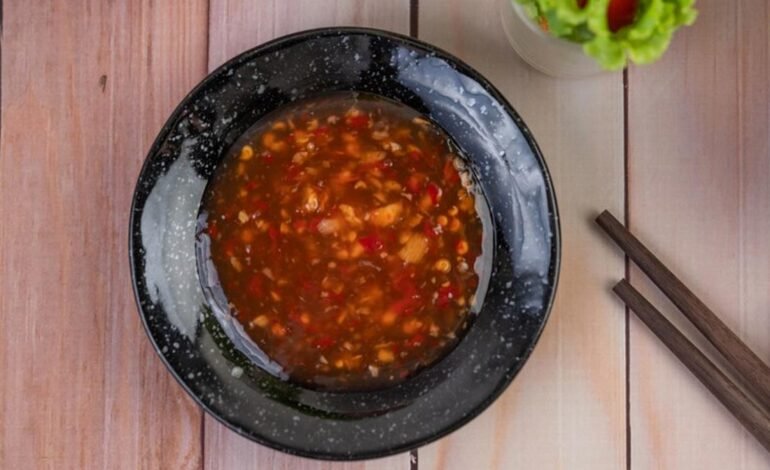
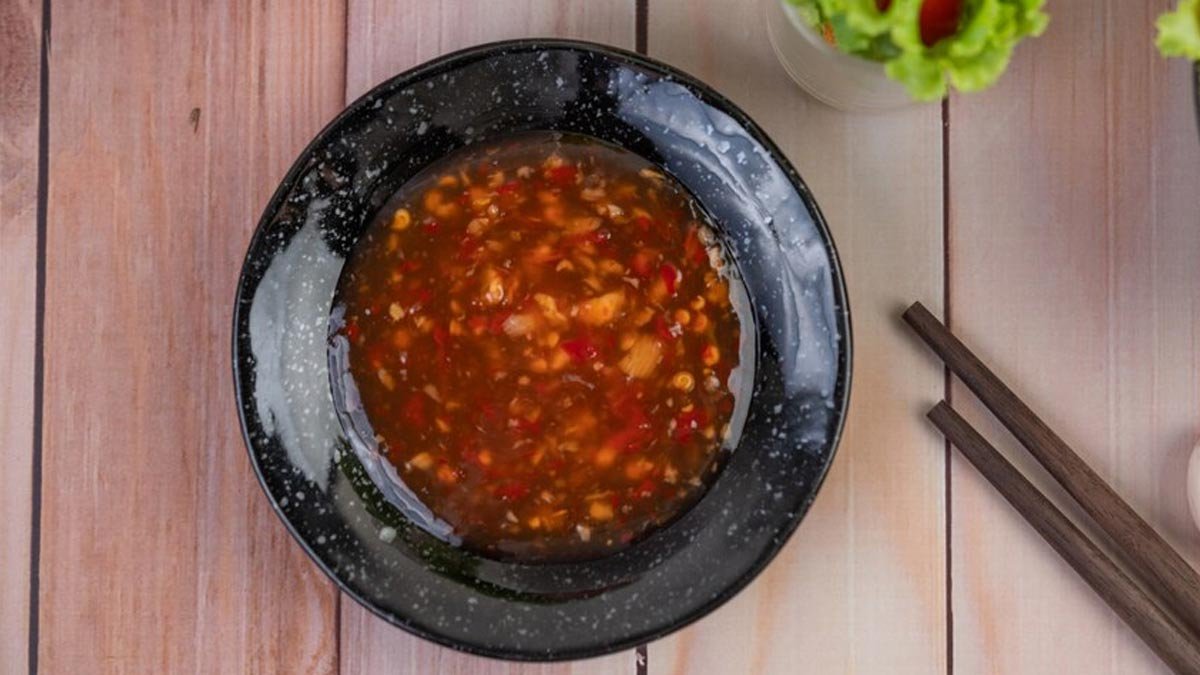
Japanese cuisine is celebrated worldwide for its delicate flavors, fresh ingredients, and unique cooking techniques. Among its many culinary treasures, BBQ Sauce Japanese stands out as a versatile condiment that enhances grilled dishes, seafood, vegetables, and even snacks. Unlike Western barbecue sauces, which tend to be thick, smoky, and sweet, Japanese BBQ sauce balances subtle sweetness with umami, creating a harmonious flavor that complements rather than overpowers the food.
In this article, we will explore what Japanese BBQ sauce is, its purpose, common uses, main ingredients, advantages, disadvantages, and practical tips for incorporating it into your cooking routine.
1:What is Japanese BBQ Sauce?
Japanese BBQ sauce, often referred to as yakiniku sauce, is a condiment designed to accompany grilled foods. Its flavor profile is markedly different from traditional Western barbecue sauces. While Western sauces are often tomato-based, Japanese versions are usually soy sauce-based, giving them a rich, savory umami flavor.
The sauce is moderately sweet, sometimes tangy, and may include additional aromatic ingredients like garlic, ginger, mirin, sake, sesame, and sugar. The balance of sweet and savory makes it ideal for enhancing meat, seafood, and even plant-based dishes.
Important Things to Know:The main purpose of Japanese BBQ sauce is to add flavor and moisture to grilled or pan-seared foods while complementing their natural taste. It’s used both as a marinade and as a finishing sauce, depending on the recipe and dish.
2:Main Ingredients of Japanese BBQ Sauce
Japanese BBQ sauces are crafted with simplicity yet precision. Key ingredients include:
- Soy Sauce – The base ingredient, providing saltiness and umami.
- Mirin or Rice Wine – Adds sweetness and subtle acidity.
- Sugar or Honey – Balances savory flavors with gentle sweetness.
- Garlic and Ginger – Provides aromatic depth and enhances flavor complexity.
- Sesame Oil or Seeds – Adds nutty aroma and richness.
- Sake or Rice Vinegar – Optional; contributes subtle tang and complexity.
Key point to know:Some variations may include ingredients like miso, chili, or citrus juice to create unique flavor profiles. The combination of these ingredients is what makes Japanese BBQ sauce versatile and widely appreciated in Japanese cuisine.
3:Uses of Japanese BBQ Sauce
Japanese BBQ sauce is incredibly versatile. Its applications range from traditional grilling to contemporary fusion dishes:
- Grilling and Barbecuing – The sauce is perfect for marinating beef, chicken, pork, or seafood before grilling. Its balance of sweet and umami flavors enhances the natural taste of proteins.
- Dipping Sauce – Serve as a dipping sauce for skewered meats, vegetables, or tempura-style dishes.
- Stir-Fries – A splash of BBQ sauce Japanese can elevate vegetable and meat stir-fries, providing depth without overpowering.
- Burgers and Sandwiches – Use as a topping or glaze to introduce subtle Asian flavors into Western-style foods.
- Tofu and Plant-Based Dishes – Marinate tofu, tempeh, or mushrooms for an umami-rich vegetarian alternative.
4:Top Reasons to Use Japanese BBQ Sauce
Japanese BBQ sauce offers several benefits for both flavor and health-conscious cooking:
- Enhances Natural Flavor – Unlike overly smoky sauces, Japanese BBQ sauce complements rather than masks the food’s natural taste.
- Low in Fat – Most sauces do not contain heavy oils or high-fat ingredients.
- Rich in Umami – Soy sauce and mirin provide deep savory notes, enhancing flavor without excess calories.
- Versatility – Suitable for grilling, marinating, stir-frying, or as a dipping sauce.
- Cultural Authenticity – Adds traditional Japanese flavor to dishes, ideal for authentic culinary experiences.
5:Disadvantages of Japanese BBQ Sauce
While bbq sauce japanese is flavorful and versatile, there are a few considerations:
- Sodium Content – Soy sauce-based sauces may have high sodium levels; moderation is advised for people with blood pressure concerns.
- Sugar Content – Sweeteners like sugar or mirin may add calories, which can be a concern for those monitoring sugar intake.
- Allergens – Ingredients like soy and sesame can trigger allergies in sensitive individuals.
- Limited shelf Life – Homemade sauces may not store as long as commercially processed sauces without preservatives.
6:How to Use Japanese BBQ Sauce Effectively
- Marination: Coat meat or tofu with sauce for at least 30 minutes before grilling to allow flavors to penetrate.
- Basting: Brush sauce on food while cooking to create a shiny, flavorful glaze.
- Serving: Use as a side dipping sauce to maintain the food’s moisture and add flavor.
- Fusion Cooking: Combine with Western ingredients like mayonnaise or ketchup to create unique sauces for burgers or wraps.
7:Expert Tips For Crafting Japanese BBQ Sauce
- Balance Sweetness and Savory: Start with soy sauce and adjust sugar or honey according to your taste.
- Fresh Aromatics: Use freshly grated garlic and ginger to maximize flavor.
- Simmer for Depth: Briefly simmering the sauce can blend flavors and create a richer taste.
- Experiment with Ingredients: Try adding citrus juice, miso, or chili flakes for a unique twist.
- Store Properly: Keep in airtight containers in the refrigerator; homemade sauces last up to two weeks.
Bottom Line
bbq sauce japanese is a flavorful, versatile condiment that enhances grilled dishes and everyday meals. Its unique blend of soy sauce, mirin, garlic, ginger, and sesame offers a balance of sweet, savory, and umami flavors. While it’s low in fat and versatile, attention should be paid to sodium and sugar content. From marinating meats and tofu to serving as a dipping sauce or stir-fry enhancer, Japanese BBQ sauce enriches meals with authentic Japanese flavor. Its ability to complement natural flavors rather than overpower them makes it a staple in both traditional and modern kitchens.
Helpful Questions About Japanese BBQ Sauce
1. What is Japanese BBQ sauce used for?
It is used for marinating, basting, dipping, and stir-frying various meats, seafood, vegetables, and tofu.
2. How is Japanese BBQ sauce different from Western BBQ sauce?
Japanese BBQ sauce is soy sauce-based, moderately sweet, and rich in umami, while Western BBQ sauces are often tomato-based and smoky.
3. Can I make Japanese BBQ sauce at home?
Yes. Combine soy sauce, mirin, sugar, garlic, ginger, sesame oil, and optionally sake or vinegar for a flavorful homemade version.
4. Is Japanese BBQ sauce healthy?
It is generally low in fat and rich in umami, but watch sodium and sugar levels depending on your dietary needs.
5. How long does homemade Japanese BBQ sauce last?
Stored in an airtight container in the refrigerator, it lasts up to 2 weeks.
6. Can vegetarians use Japanese BBQ sauce?
Absolutely. It works well with tofu, mushrooms, and other plant-based proteins.