
Nitro Blue Tetrazolium New Updates in Clinical Testing 2026

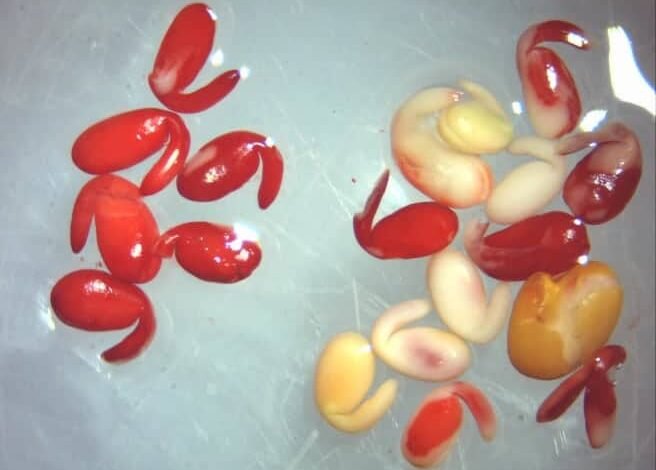
The Nitro Blue Tetrazolium test positive result plays an important role in modern clinical diagnostics, especially when evaluating immune system function. This test is widely used in laboratories to understand how well white blood cells respond to infections. In 2026, medical science continues to refine this test for better accuracy and improved interpretation, making it a valuable tool in clinical practice.
The Nitro Blue Tetrazolium test interpretation helps doctors identify immune deficiencies, especially conditions where the body cannot properly kill bacteria. With advancements in laboratory technology and reagents like Nitro Blue Tetrazolium sigma, the accuracy of diagnostic outcomes has improved significantly.
This article tells the test in detail, its clinical importance, updated uses, and how results are interpreted in modern healthcare.
1:What Is the Nitro Blue Tetrazolium Test?
The Nitro Blue Tetrazolium (NBT) test is a diagnostic laboratory procedure used to evaluate the activity of neutrophils, a type of white blood cell. These cells are essential for fighting bacterial infections in the body.
When neutrophils are activated, they produce reactive oxygen species that help destroy invading bacteria. The NBT dye changes color when these reactive oxygen species are present, allowing doctors to measure immune cell activity.
A strong color change indicates normal immune function, while weak or absent color change suggests immune system dysfunction.
2:How the NBT Test Detects Immune Function
The test is based on a simple biochemical reaction. When neutrophils encounter bacteria or are chemically stimulated in a laboratory setting, they undergo a respiratory burst. This process generates superoxide radicals.
NBT reacts with these radicals and forms a dark blue compound called formazan. This color change is observed under a microscope.
Step-by-step process:
- A blood sample is collected from the patient
- Neutrophils are isolated in the laboratory
- Cells are exposed to a stimulating agent
- NBT dye is added
- Color change is observed and recorded
If neutrophils function properly, the cells turn deep blue, showing active immune response.
3:Importance of the Nitro Blue Tetrazolium Test in Medicine
The NBT reagent test is mainly used to diagnose immune system disorders, especially Chronic Granulomatous Disease (CGD). This condition occurs when white blood cells cannot kill bacteria effectively.
Doctors use this test to:
- Evaluate neutrophil function
- Diagnose immune deficiencies
- Monitor certain infections
- Assess inflammatory conditions
Key point to know:Even though newer molecular tests exist, the NBT test remains useful in many clinical settings due to its simplicity and cost-effectiveness.
4:Clinical Interpretation of a Positive NBT Test Result
A NBT reagent test positive result generally means that neutrophils are not functioning properly. In this case, there is little or no color change in the cells.
This suggests that the immune system is unable to produce enough reactive oxygen species to kill bacteria.
Possible causes of a positive result:
- Chronic Granulomatous Disease (CGD)
- Severe immune deficiencies
- Certain genetic disorders
- Defective neutrophil enzyme systems
A positive result is clinically significant and usually requires further confirmatory testing.
5:NBT Reagent Test Interpretation in Clinical Practice
The NBT reagent test interpretation depends on the percentage of neutrophils showing color change.
Normal result:
- 90–100% of neutrophils show blue staining
- Indicates healthy immune function
Abnormal result:
- Low or absent staining
- Suggests defective neutrophil activity
Doctors do not rely on this test alone. They combine results with clinical symptoms and advanced molecular testing for accurate diagnosis.
Important Things to Know:Interpretation must always be done carefully because some factors like sample handling or infection stage can affect results.
6:NBT Sigma in Laboratory Use
In modern laboratories, NBT sigma is commonly used as a high-quality reagent for diagnostic testing.
Sigma reagents are known for their purity and consistency, which ensures accurate test results. In 2026, many laboratories prefer standardized reagents like Sigma to reduce variability in testing outcomes.
This improves:
- Test reliability
- Reproducibility
- Diagnostic accuracy
Because of better reagent quality, clinicians can trust the results with higher confidence.
7:Updated Techniques in NBT Testing for 2026
In recent years, medical science has introduced improvements in immune function testing. Although advanced genetic tests are now available, the NBT test still holds importance in resource-limited settings.
Key updates include:
- Improved staining techniques
- Automated cell counting systems
- Better reagent standardization
- Faster result processing
These improvements help reduce human error and improve diagnostic efficiency.
8:Why Doctors Prefer the NBT Test
The Nitro Blue Tetrazolium test offers several benefits:
- Simple and cost-effective
- Quick results
- Useful in basic laboratory setups
- Helps detect immune deficiencies early
- Does not require advanced equipment
Because of these advantages, it is still widely used in many hospitals and labs worldwide.
9:Weaknesses of the NBT Test
Despite its usefulness the test has some limitations:
- Less accurate than modern genetic tests
- Results can vary with lab conditions
- Cannot identify specific genetic mutations
- Requires skilled interpretation
Therefore doctors often use it as a preliminary diagnostic tool rather than a final confirmation test.
10:How the NBT Test Is Used in Clinical Practice
The NBT test is used in various medical conditions, including:
- Chronic bacterial infections
- Suspected immune disorders
- Pediatric immunodeficiency screening
- Research in neutrophil function
It is especially valuable in early detection of immune system problems.
11:Future of NBT Testing in Medicine
In 2026 and beyond, the role of the NBT test is evolving. While advanced genetic testing is becoming more common, NBT remains important in basic diagnostics and emergency settings.
Researchers are working to:
- Improve test sensitivity
- Combine it with digital imaging systems
- Develop faster diagnostic kits
This ensures that the test continues to support global healthcare systems.
Bottom Line
The NBT test is a valuable diagnostic tool used to evaluate neutrophil function and immune system health. A NBT test positive result indicates impaired immune activity, while a normal result shows healthy neutrophil function. The NBT test interpretation plays a key role in diagnosing immune disorders such as CGD. Modern improvements and reagents like NBT sigma have enhanced accuracy and reliability in 2026 clinical testing. Despite newer technologies, the NBT test remains an important and cost-effective method in medical diagnostics.
Frequently Asked Questions About NBT Testing
1. What does a NBT test positive mean?
It indicates reduced neutrophil activity and possible immune system dysfunction.
2. How is the NBT test performed?
It involves mixing blood cells with a dye and observing color changes under a microscope.
3. Is the NBT test still used in 2026?
Yes. It is still used in many laboratories and especially for basic immune function screening.
4. What conditions can the NBT test detect?
It mainly helps detect Chronic Granulomatous Disease and other immune deficiencies.
5. Why is NBT sigma used?
It is used because of its high purity and reliable results in laboratory testing.