
Pregnancy Risks with Bulky Uterus

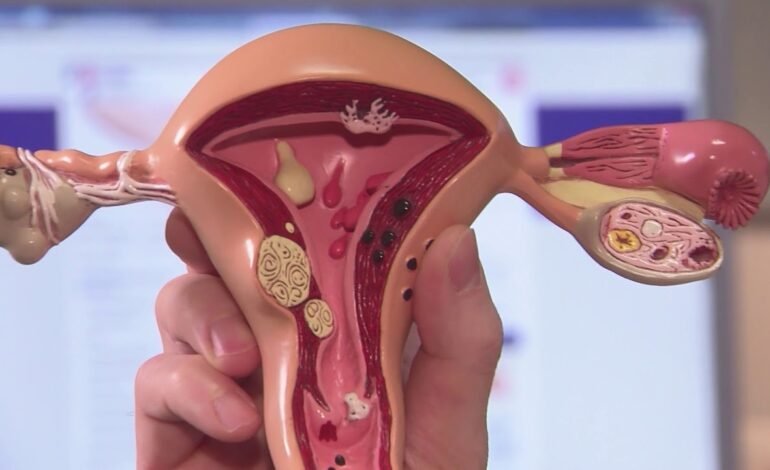
Pregnancy is a delicate and complex process that depends heavily on the health of the reproductive system. One condition that can raise concerns during this period is a bulky uterus. This term describes a uterus that is larger than its normal size, often due to underlying medical conditions. While many women with this condition experience normal pregnancies and it can sometimes lead to complications if not properly managed.
Understanding the causes, symptoms, and potential risks helps women take the right steps toward a safe and healthy pregnancy.
1:What Is a Bulky Uterus
A bulky uterus refers to an enlarged uterus that may result from hormonal changes or specific medical conditions. Doctors often detect it during routine pelvic exams or imaging tests such as ultrasound.
The enlargement may be mild or significant, depending on the underlying cause. In some cases, it does not cause noticeable symptoms, while in others, it may lead to discomfort or menstrual irregularities. Identifying the reason behind the enlargement is important for proper care and treatment.
2:Common Causes of Uterine Enlargement
Several conditions can lead to an increase in uterine size. Understanding these causes helps in determining the level of risk during pregnancy.
Fibroids
Fibroids are non-cancerous growths that develop in or around the uterus. They are one of the most common causes of uterine enlargement and can vary in size. Larger fibroids may affect fertility and pregnancy outcomes.
Adenomyosis
Adenomyosis occurs when the inner lining of the uterus grows into its muscular wall. This condition can cause the uterus to become enlarged and painful, especially during menstruation.
Hormonal Imbalance
Hormones, especially estrogen, play a key role in regulating the reproductive system. High levels of estrogen can lead to thickening of the uterine lining and increase its size.
Infections and Inflammation
Pelvic infections can cause temporary swelling and inflammation, leading to an enlarged uterus. Proper treatment usually resolves this issue.
3:Symptoms to Watch For
Not all women experience symptoms, but when they do appear, they may include:
- Heavy or prolonged menstrual bleeding
- Pelvic pain or pressure
- Frequent urination due to pressure on the bladder
- Pain during intercourse
- Lower back discomfort
These symptoms vary from person to person and depend on the underlying condition causing the enlargement.
4:Can Uterus Affect Fertility
Many women with a uterus can conceive naturally without difficulty. However, the chances of successful conception may depend on the severity and cause of the condition.
For instance, fibroids located inside the uterine cavity may interfere with embryo implantation. Similarly, hormonal imbalances may affect ovulation, reducing the chances of pregnancy. Early diagnosis and medical guidance can improve fertility outcomes and support a healthy pregnancy.
5:Bulky Uterus in Early Pregnancy
It in early pregnancy is a critical phase that requires careful monitoring. During this time, the fertilized egg implants into the uterine lining and begins to develop. If the uterus is enlarged due to underlying conditions it may affect this process.
Possible effects include:
- Difficulty in proper implantation
- Increased risk of early pregnancy loss
- Irregular uterine contractions
- Limited space for embryo growth in severe cases
Key point to know:Despite these concerns, many women with mild uterine enlargement experience normal early pregnancies. Regular prenatal care and medical supervision play a key role in managing potential risks.
6:Possible Risks in Pregnancy
A bulky uterus can increase certain risks during pregnancy, particularly when the enlargement is significant or caused by structural abnormalities.
Miscarriage
The risk of miscarriage may increase if the uterine environment is not suitable for embryo development. Fibroids or irregular uterine shape can interfere with proper attachment.
Preterm Labor
An enlarged uterus may lead to early contractions, increasing the risk of premature birth.
Placental Issues
Problems such as placenta previa or placental abruption may occur if the uterine lining is affected.
Restricted Fetal Growth
In some cases, the baby may not grow properly due to limited space or reduced blood supply.
Delivery Complications
Women with a uterus may require a cesarean section if normal delivery becomes difficult.
7:Diagnosis and Monitoring
Doctors use several methods to diagnose and monitor the condition during pregnancy:
- Ultrasound scans to observe uterine size and fetal development
- Pelvic examinations to detect abnormalities
- Blood tests to assess hormonal levels
Regular prenatal visits are essential to track any changes and address complications early.
8:Managing Pregnancy Safely
Proper management can significantly reduce risks and improve outcomes.
Regular Checkups
Frequent visits to the doctor help monitor both the mother’s health and the baby’s development.
Balanced Diet
A healthy diet rich in nutrients supports overall reproductive health and fetal growth.
Physical Activity
Light exercise, as recommended by a doctor, helps maintain overall fitness without putting stress on the uterus.
Stress Management
Reducing stress through relaxation techniques supports hormonal balance and overall well-being.
Adequate Rest
Getting enough rest is essential, especially in high-risk pregnancies.
9:Treatment Options
Treatment depends on the underlying cause and whether the woman is pregnant.
Before Pregnancy
- Hormonal therapy to regulate menstrual cycles
- Medications to shrink fibroids
- Surgical removal of fibroids if necessary
During Pregnancy
Treatment options are limited, but doctors focus on managing symptoms and monitoring the condition closely.
After Pregnancy
In some cases, further treatment may be recommended to prevent future complications.
10:Wellness Tips for Reproductive System
Adopting a healthy lifestyle can help manage symptoms and support recovery:
- Maintain a healthy body weight
- Eat a balanced diet
- Stay physically active
- Avoid smoking and alcohol
- Schedule regular gynecological checkups
These habits improve overall health and reduce the risk of complications.
11:Warning Signs for Medical Attention
Immediate medical attention is necessary if you experience:
- Severe abdominal pain
- Heavy bleeding during pregnancy
- Sudden swelling or discomfort
- Signs of miscarriage
Early intervention can prevent serious complications and protect both mother and baby.
Bottom line
A bulky uterus is a condition in which the uterus becomes enlarged due to factors such as fibroids, hormonal imbalance, or adenomyosis. While many women with this condition can conceive and carry a pregnancy successfully, it may increase certain risks, especially in the early stages. Understanding it in early pregnancy is important for ensuring proper care and monitoring. With timely diagnosis, regular checkups, and healthy lifestyle choices, most women can manage the condition effectively and experience a safe pregnancy journey.
Expert Answers to Common Queries
1. Is the uterus a serious condition?
It depends on the cause. Many cases are mild and manageable but some may require medical attention.
2. Can it affect fertility
Yes. Certain causes like fibroids or hormonal imbalance can impact fertility.
3. Is pregnancy possible with this condition
Yes, many women conceive naturally and especially with proper medical care.
4. How is it diagnosed?
Doctors usually diagnose it through ultrasound and pelvic examination.
5. Does it always cause complications in pregnancy?
No. many women have healthy pregnancies with proper monitoring and care.