Herbal Power Why Mulethi is Trending in 2026 Skincare

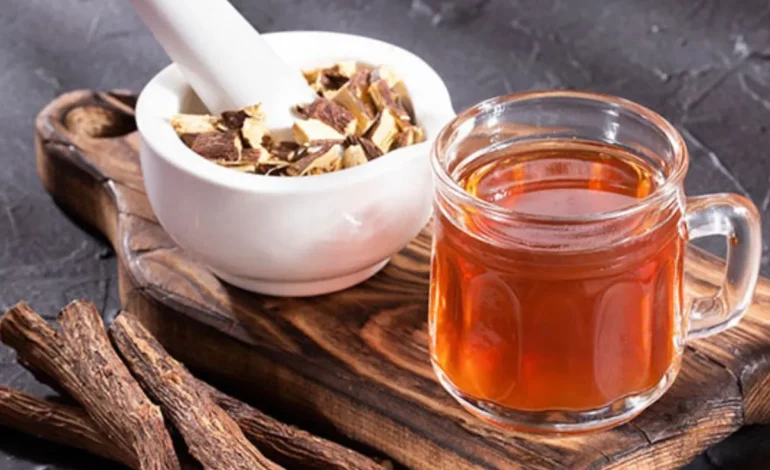
Mulethi, also known as Licorice root, is gaining remarkable popularity in 2026 for its potent benefits in skincare and overall wellness. Originating from traditional herbal medicine, it has been used for centuries in Ayurvedic, Unani, and Chinese healing systems for its therapeutic properties. Today, modern science validates many of these uses, making it a star ingredient in natural beauty and health products. From soothing irritated skin to strengthening hair, it is considered a holistic solution for those seeking natural remedies.
Its rise in popularity is not limited to skincare. its powdered form, extracts, and herbal supplements have made it accessible for daily use, allowing people to enjoy its full spectrum of benefits in simple, practical ways.
1:Ancient Uses and Traditional Importance
It has a rich history dating back thousands of years. In Ayurvedic medicine, it is classified as a Rasayana herb, meaning it rejuvenates the body and enhances longevity. Ancient practitioners used Mulethi root for respiratory support, digestive health, and to treat various skin conditions.
Similarly, traditional Chinese medicine recognized it as a harmonizing herb often included in teas and decoctions for its soothing properties. Across cultures, its use in natural medicine has always emphasized gentle yet effective healing.
2:How it is Used in Today’s Skincare Industry
In 2026, it became a key ingredient in cosmetic formulations, from creams to serums. Its skin-brightening and anti-inflammatory properties make it ideal for addressing issues like hyperpigmentation, acne scars, and irritation.
Mulethi For Skin
One of the standout applications of it is its ability to even out skin tone and reduce blemishes. Products containing Mulethi extract or powdered root can help calm inflammation, lighten dark spots, and improve overall radiance. Its natural compounds inhibit the production of melanin, the pigment responsible for dark spots, making it a gentle alternative to chemical brightening agents.
Additionally, antioxidants protect skin cells from oxidative stress, reducing early signs of aging like fine lines and dullness. This makes it a preferred ingredient in Ayurvedic herbal skincare routines, where maintaining skin health naturally is the primary goal.
3:Why it is Gaining Popularity in Hair Care
Beyond skin, Mulethi for hair is gaining attention due to its nourishing and strengthening properties. Hair products containing it root or powder help:
- Reduce hair fall
- Strengthen hair follicles
- Add natural shine and softness
- Address scalp irritation and dandruff
Key Points to Know:bioactive compounds nourish the scalp, improving hair texture and growth. Hair oils, capsules, and Mulethi supplements now feature regularly in routines for healthier hair.
4:A Herbal Approach to Daily Wellness
Mulethi tea has become a staple for wellness enthusiasts. Known for its soothing properties, this herbal infusion can:
- Soothe a sore throat
- Help with cough and respiratory issues
- Support digestive health
- Boost immunity
You Should Know: Drinking tea regularly provides both internal and external benefits, enhancing skin glow and overall vitality. Its gentle taste and anti-inflammatory properties make it suitable for daily consumption.
5:How it is Consumed in Various Forms
The versatility of it makes it easy to incorporate into modern lifestyles:
- root: Traditional raw form used in decoctions and homemade remedies
- powder: Can be added to face masks, scrubs, and beverages
- extract: Concentrated form for skincare products like creams, serums, and toners
- capsules: Convenient supplementation for systemic benefits
- herbal blends: Included in teas and Ayurvedic wellness formulas
You Should Know: Each form offers unique advantages, allowing users to target specific skin, hair, or health concerns naturally.
6:Medicinal Value of it in Natural Healing
it is not just cosmetic; it provides multiple health benefits that support modern wellness practices. Key advantages include:
- Respiratory Support: Traditionally used to soothe coughs and throat irritation. Modern studies confirm its expectorant and anti-inflammatory properties.
- Digestive Aid: it promotes digestion and helps relieve occasional stomach discomfort.
- Immune Support: Rich in bioactive compounds that help the body fight infections.
- Anti Inflammatory: Helps reduce inflammation both internally and externally.
- Antioxidant Protection: Protects cells from oxidative stress, supporting skin and overall health.
You Should Know:Its holistic impact reinforces why it is considered both a herbal remedy and a wellness enhancer.
7:Using it in Everyday Health and Beauty Care
To reap the full benefits, proper incorporation into daily life is key:
- Topical Application: Use creams, masks, or serums containing Mulethi extract for skin issues.
- Oral Consumption: Drink Mulethi tea or take capsules as recommended for systemic benefits.
- Hair Care: Apply oils or masks with its powder to improve scalp health and hair texture.
- Combination Use: For maximum effect, combine external and internal approaches under guidance.
Everything You Need to Know:Consistency and moderation are essential; excessive use may lead to irritation or imbalance, so it’s always best to follow recommended doses.
8:Why 2026 is the Year in Skincare
Several factors have contributed to its rise in 2026:
- Increased preference for natural and herbal skincare over chemical laden products
- Growing awareness of Ayurvedic remedies and their scientific validation
- Demand for multi functional ingredients that support both skin health and overall wellness
- Rise in home based wellness routines like herbal teas, DIY face masks, and hair treatments
You Should Know: With these trends it has become not just a traditional herb, but a modern day essential for anyone looking to achieve healthy skin, hair, and overall vitality naturally.
9:Scientific Research and Insights
Recent studies highlight the active compounds in it, including glycyrrhizin and flavonoids, which contribute to its therapeutic effects. These compounds:
- Inhibit melanin production (beneficial for skin brightening)
- Reduce inflammation (helpful for acne and irritation)
- Exhibit antimicrobial properties (support skin and scalp health)
- Provide antioxidant protection (delay signs of aging)
What You Should Know:This scientific backing validates its historical use and explains why skincare brands and wellness experts continue to incorporate it in their formulations.
Wrap up
Licorice root is emerging as a powerhouse ingredient in 2026 skincare and wellness. Its multiple forms root, powder, extract, tea, capsules, and herbal blends make it versatile for skin, hair, and overall health. From brightening and soothing the skin to strengthening hair and supporting immunity, it offers a natural, holistic approach to modern wellness.
Brands like SkinSciences and other herbal companies are leading the trend, delivering formulations that combine ancient knowledge with modern science. By incorporating it into your routine, you can enjoy radiant skin, healthy hair, and overall vitality naturally.
Your Questions Answered
1. What is it and why is it used in skincare?
It also known as Licorice root, is a natural herb used for brightening, soothing, and anti-aging benefits. Its extracts help reduce pigmentation and improve skin texture.
2. Can this help with hair health?
Yes.it nourishes hair, reduces hair fall, and soothes the scalp. Products containing it powder or extract are beneficial for stronger, shinier hair.
3. How should I consume it for health benefits?
You can drink Mulethi tea, take capsules or use herbal supplements. It supports immunity, digestion, and respiratory health.
4. Are there side effects of it?
When used in moderation, it is generally safe. Excessive use may cause mild irritation or imbalance, so follow recommended doses.
5. Which form of it is best for skincare?
extract or powder is most commonly used in creams, masks, and serums for skin brightening and soothing benefits.